Building a Supportive Community for Veterans
Creating a supportive environment for veterans is essential for their well-being and reintegration into civilian life. This article explores various ways communities can come together to provide resources, share stories, and foster connections among veterans. By leveraging local support networks, we can enhance the quality of life for those who have served.
The Unique Challenges Faced by Veterans
Veterans often face unique challenges when transitioning back to civilian life, including mental health issues, difficulty in finding employment, and a sense of isolation. The adjustment can be overwhelming, as they navigate the complexities of reintegrating into a society that may not fully understand their experiences. Establishing local networks can provide veterans with the resources they need, from mental health support to job placement services. Moreover, sharing personal stories and experiences can foster a sense of belonging and understanding, essential for healing and growth.
Historical Perspectives on Community Support
Throughout history, various individuals have played pivotal roles in advocating for veterans and creating supportive communities. Here, we highlight three notable figures, each from different time periods, who have made significant contributions to veteran support.
1. General Omar Bradley (1893–1981)
As a prominent World War II general, Omar Bradley became known as the "soldier's general." After the war, he continued to advocate for veterans' rights and welfare. In 1946, he helped establish the Veterans Administration, which aimed to provide comprehensive health care and benefits for veterans returning from the war. His efforts were instrumental in creating a foundation for the support systems that many veterans rely on today.
2. Bob Dole (1923–2021)
A decorated World War II veteran himself, Bob Dole devoted his later years to advocating for veterans' issues in the U.S. Senate. He championed the passage of the Americans with Disabilities Act and worked tirelessly to secure benefits for veterans with disabilities. Dole's advocacy highlighted the importance of community support and the government's responsibility to care for those who have served. His legacy continues to influence policies and programs aimed at improving the lives of veterans across the country.
3. Michelle Obama (b. 1964)
As First Lady, Michelle Obama focused on military families and veterans through her initiative, "Joining Forces," which aimed to support the employment and education of veterans and their families. By raising awareness of the unique challenges faced by veterans, she helped foster community support networks that connect veterans with resources and opportunities. Her work emphasized the importance of community and civic engagement in improving the lives of those who have served.
Community Initiatives for Veteran Support
While historical figures have paved the way for veteran support, it is the grassroots initiatives within communities today that are vital for fostering a supportive environment. Here are some effective community-driven ideas:
- Support Groups: Establishing peer-led support groups where veterans can share their experiences and challenges fosters a sense of camaraderie and understanding.
- Job Placement Programs: Local businesses can partner with veteran organizations to create job placement programs tailored to the unique skills and experiences of veterans.
- Mental Health Resources: Communities can provide access to mental health resources, including counseling services and workshops focused on coping mechanisms and resilience.
- Community Events: Hosting events such as "Veterans Day" celebrations or "Welcome Home" gatherings can help integrate veterans into the community and recognize their contributions.
- Education and Training: Offering educational workshops and training programs can empower veterans to pursue new careers or further their education.
The Power of Storytelling
Storytelling is a powerful tool for healing and connection. By sharing their stories, veterans can find solace and understanding in their experiences. Community organizations can create platforms for veterans to share their narratives, such as through blogs, podcasts, or public speaking events. These stories not only serve as a means of expression for veterans but also educate the broader community about the realities of military service and the challenges of reintegration.
Fostering Connections Through Shared Interests
Creating spaces where veterans can engage in shared interests is another effective way to foster community support. Initiatives such as sports leagues, art classes, or outdoor adventures can help veterans connect with one another and build lasting friendships. For example, outdoor groups that focus on activities like hiking or camping can provide veterans with a sense of adventure and camaraderie, allowing them to bond over shared experiences.
Comfort and Community in Craftsmanship
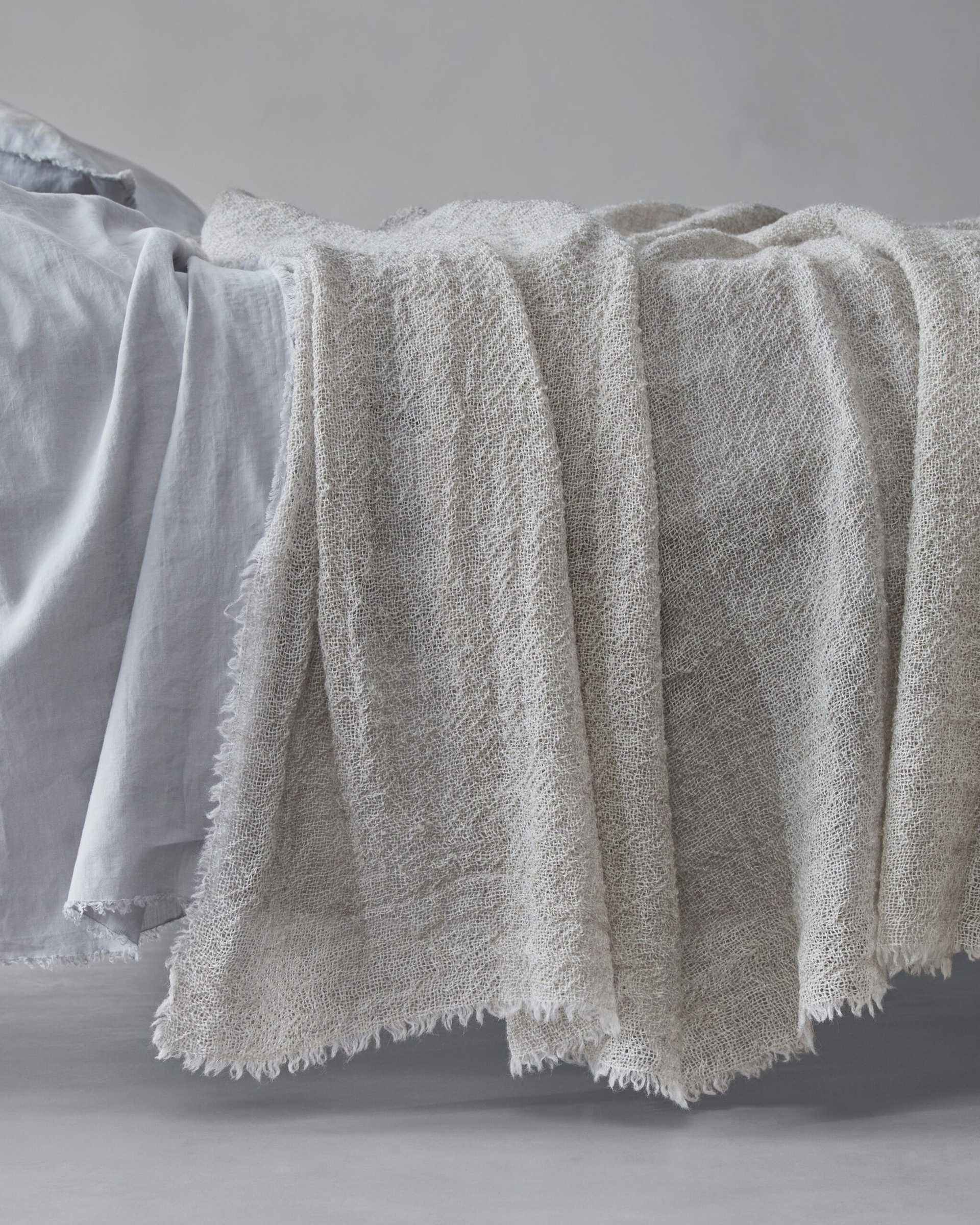
In addition to outdoor activities, creating a comforting home environment can significantly improve the quality of life for veterans. The right products can enhance comfort and provide a sense of security. For instance, the Little Blanket offers a lightweight plaid design made of 100% wool, perfect for wrapping up during moments of relaxation. Its breathable net structure allows for comfort in various settings, be it at the foot of the bed or draped over a sofa.
Little Blanket
The Little Blanket is a lightweight plaid designed for warm seasons. Made from lightweight jaspe wool yarn, it is great at the foot of the bed as an extra layer or on the sofa as a spring cover. The fabric features a net structure that lets air pass through and creates a tactile, three-dimensional feel.
Price: $390.00
View Product
Conclusion
Building a supportive community for veterans is a shared responsibility that requires collaboration, understanding, and compassion. By leveraging local resources, fostering connections, and sharing stories, communities can create an environment where veterans feel valued and supported. As we reflect on the contributions of historical figures and the initiatives that empower veterans today, we are reminded that the strength of a community lies in its ability to uplift and support those who have given so much in service to their country.