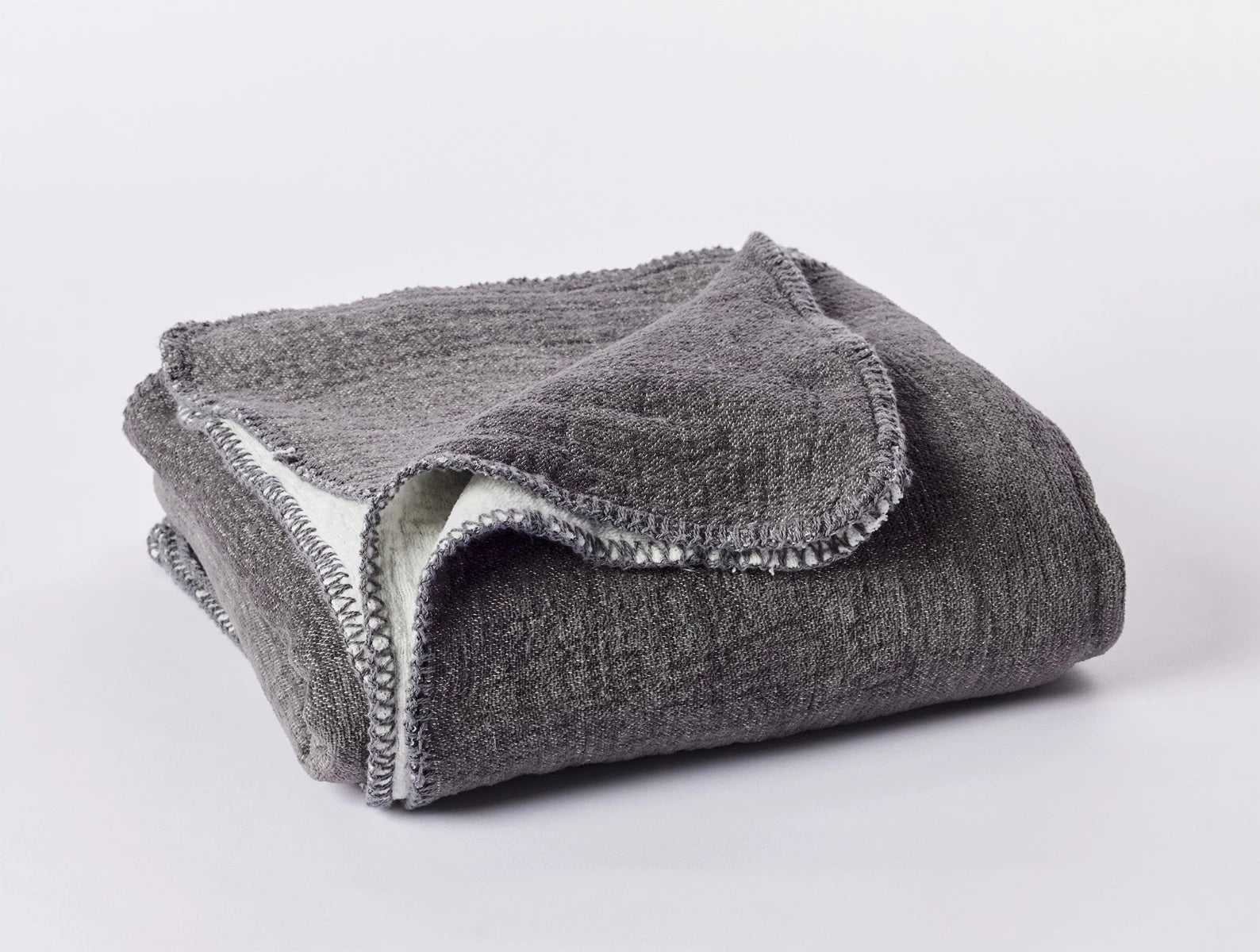
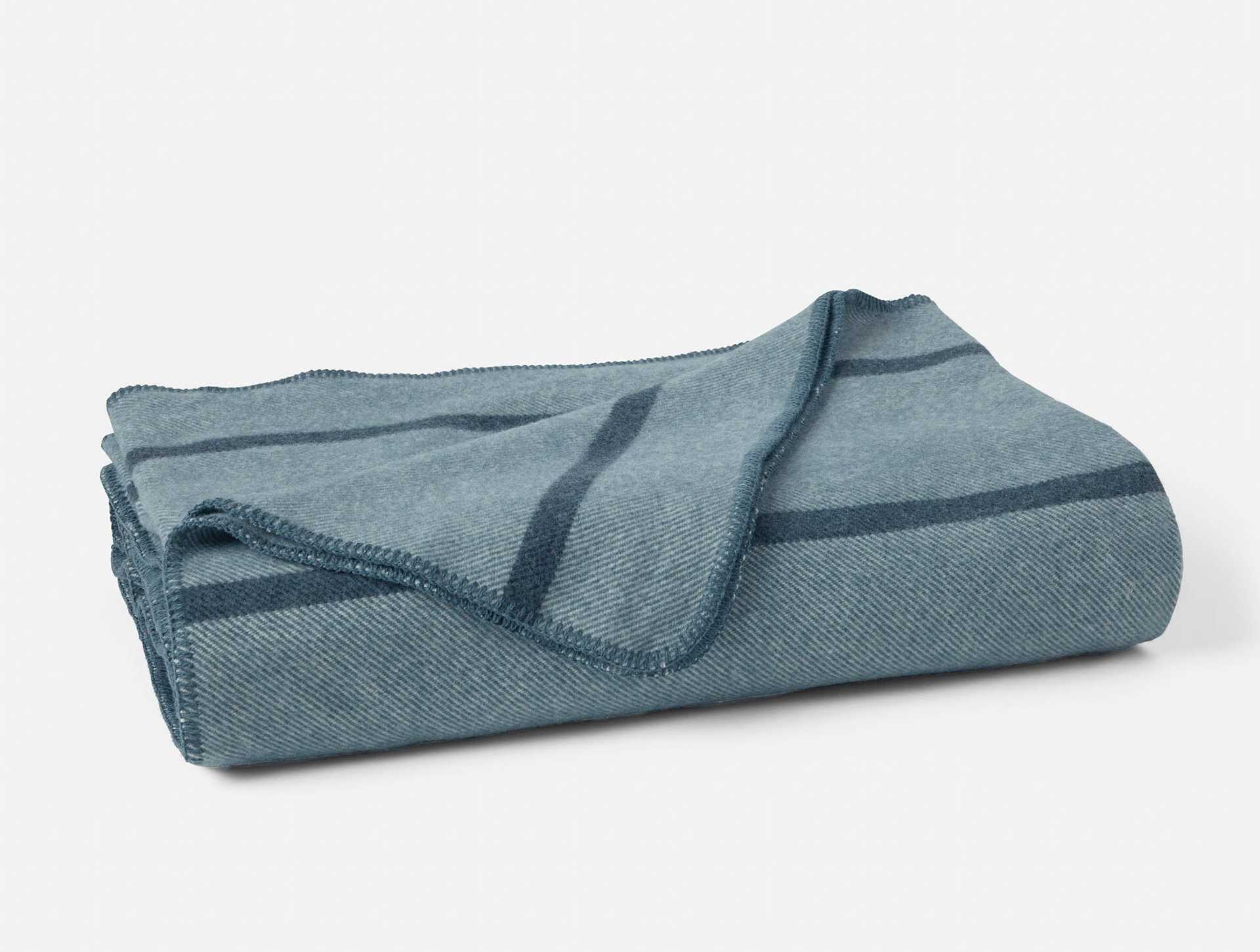
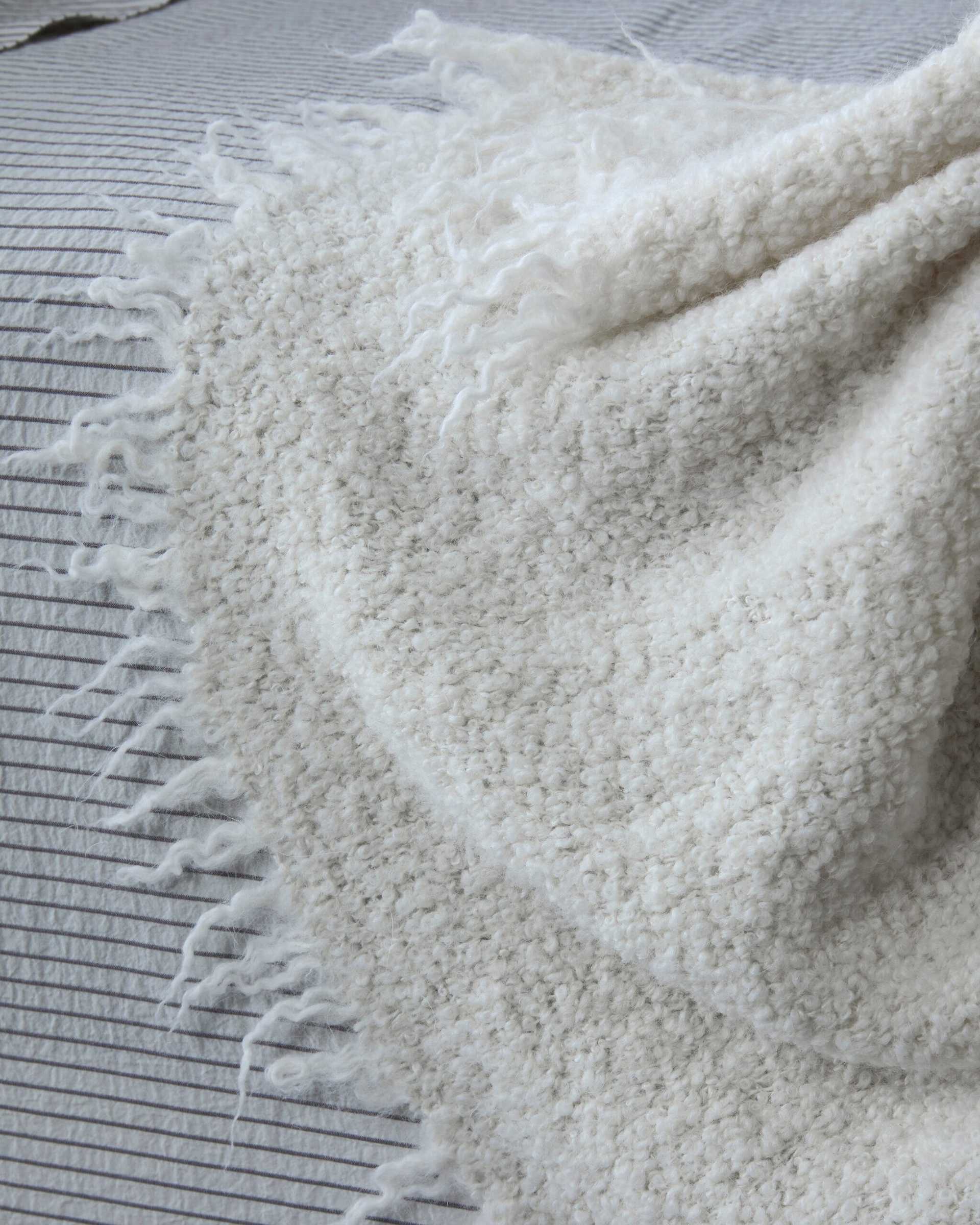
Blankets furnish warmth, comfort, and a touch of texture to living spaces, babies’ nurseries, and outdoor settings. This category highlights materials, construction, and care considerations that influence warmth retention, breathability, and durability. Understanding fabric types, fiber blends, and weave patterns helps identify blankets suitable for cold evenings, layered bedding, or travel needs.
Common blanket materials include organic cotton, wool, and blended fibers, each offering distinct benefits. Organic cotton is soft and breathable, ideal for sensitive skin and nursery environments. Wool provides excellent insulation and moisture management, while synthetic blends can enhance durability and ease of care for everyday use.
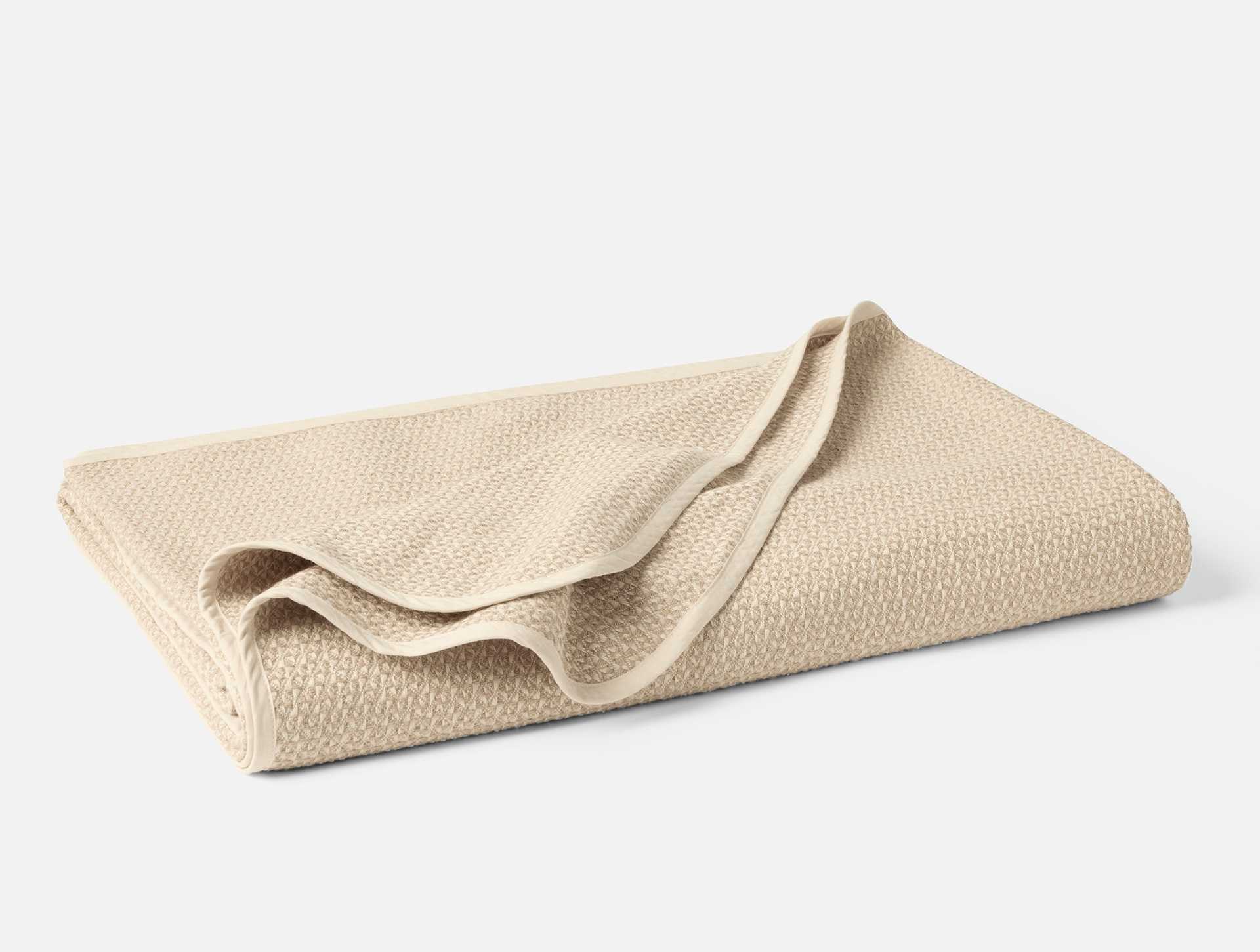
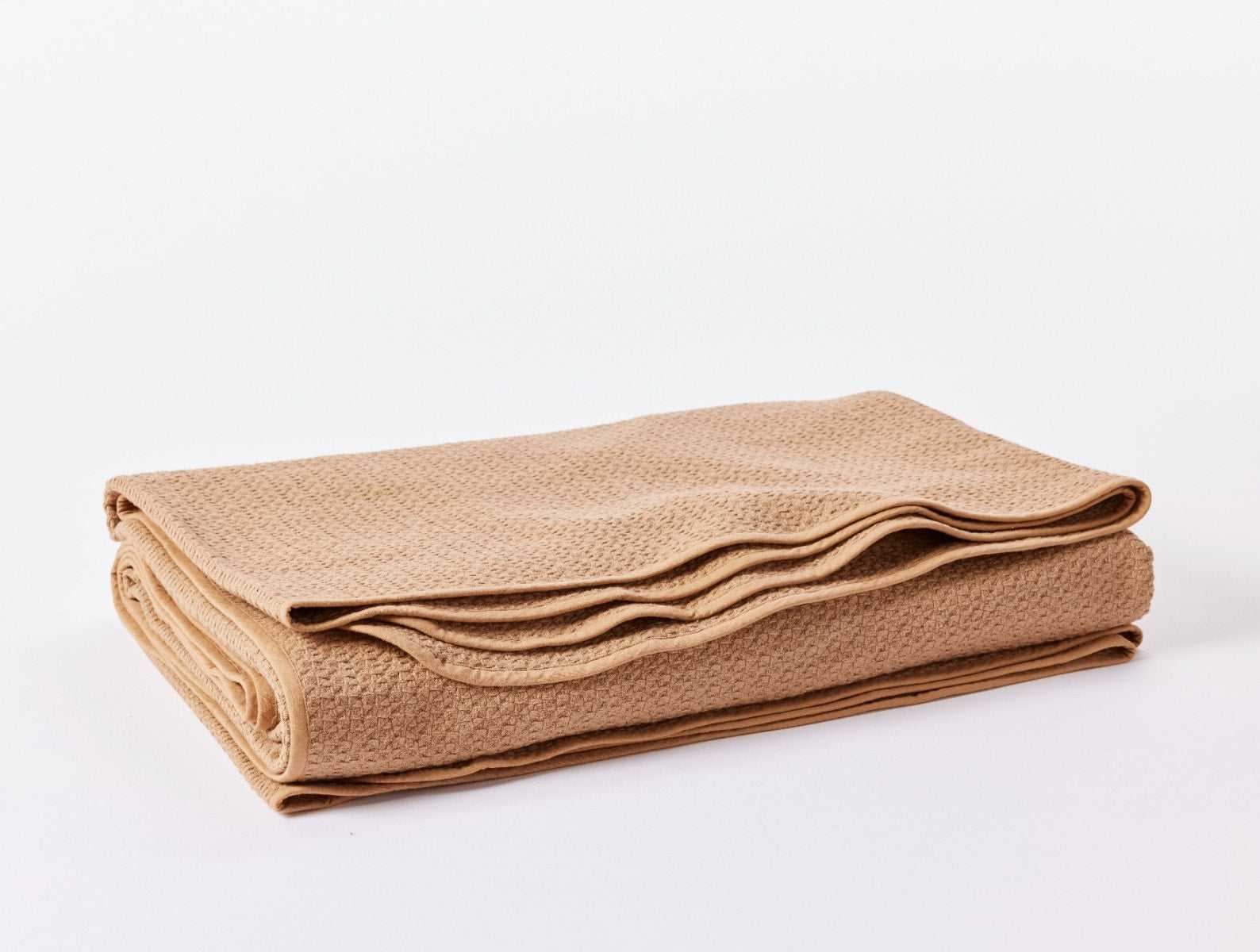
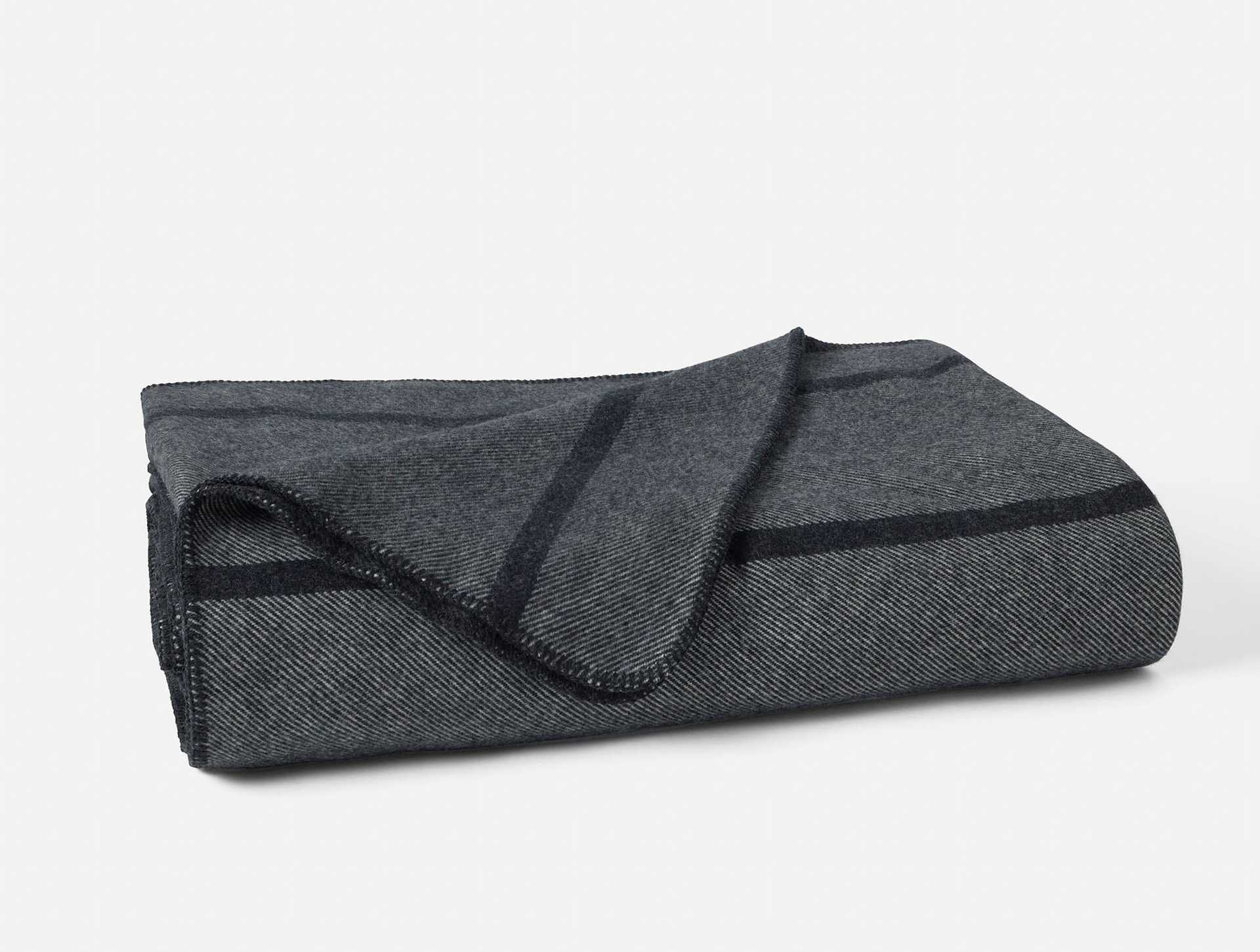
Key features to evaluate are fiber origin, weave density, weight, and warmth class. Honeycomb Organic Blanket emphasizes a cushioned texture and natural breathability, whereas Tahoe Wool Blanket prioritizes insulating value with wool’s inherent temperature regulation. Des Blanket, Tuis Blanket, and Cozy Cotton Organic Baby Blanket exemplify versatile coverage across age ranges and climates.
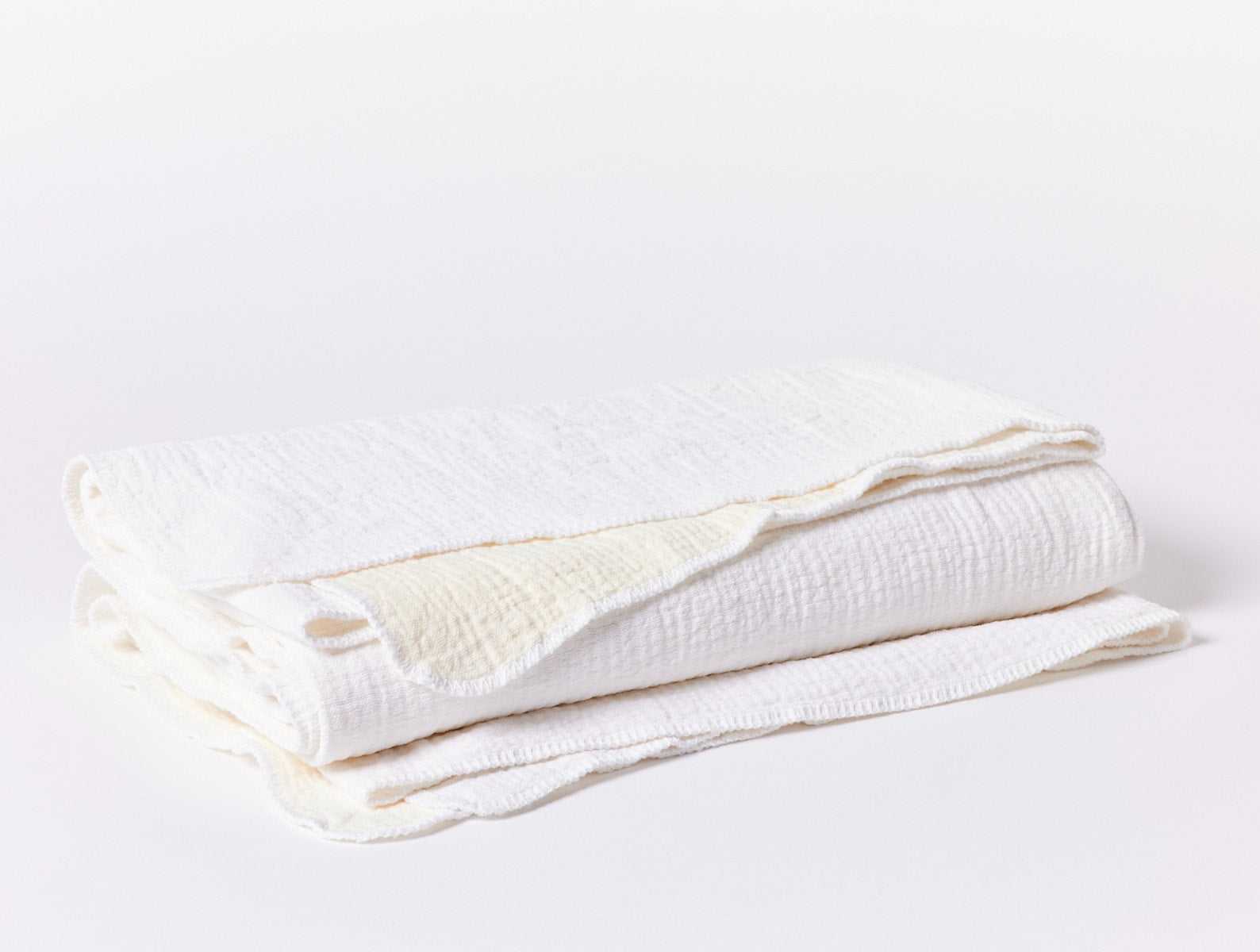
For nursery applications, breathable cotton blankets such as Cozy Cotton Organic Blanket or Cozy Cotton Organic Baby Blanket help regulate baby temperature and reduce overheating. In colder environments, a wool blanket like Tahoe Wool Blanket adds warmth without excessive bulk, while layered combinations with lighter blankets support adaptable sleep comfort and temperature control.
Functional benefits span portability, machine care, and long-term durability. Understanding fiber characteristics—softness, loft, and resilience—assists in selecting blankets that align with daily routines, maintenance preferences, and specific use cases, from infant swaddling and crib bedding to cozy lounging and travel warmth. Relevant keywords include bedding, nursery, organic crib bedding, blankets, blankets & quilts.
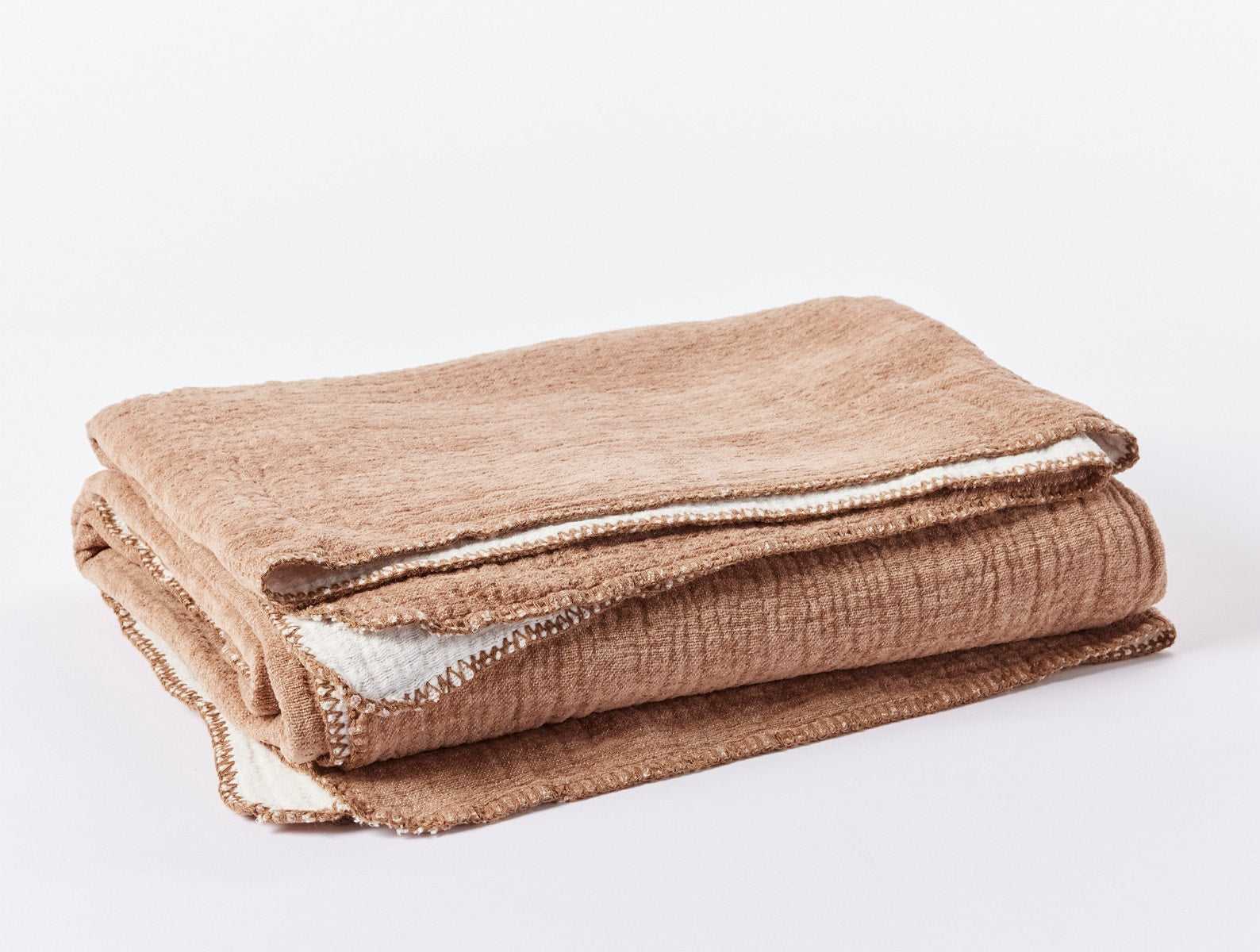 Bedding