An editorial exploration of how blankets—an enduring symbol of warmth, protection, and home—have traveled from the disciplined campsites of armies to the high-function textiles of contemporary bedding brands. This piece blends history, material science, and design narratives to reveal how a simple sleeping cover became a conduit for culture, technology, and resilience.
Across centuries, soldiers faced the elemental triad of cold, moisture, and fatigue. A blanket, then, was not merely a comfort; it was a strategic asset. Early field garments and improvised coverings evolved into purpose-built textiles engineered for warmth, portability, and durability. From wool blankets hauled across rigid supply lines to cotton and wool blends that tempered the demands of mechanized warfare, the blanket’s evolution mirrors broader shifts in military logistics, climate exposure, and the march of textile technology.
In tracing this arc, we simultaneously examine how modern bedding brands repurpose this heritage. Contemporary makers—Naturepedic, Coyuchi, and family-owned mills in Vermont and beyond—translate historical patterns of warmth, breathability, and safety into breathable, easy-care blankets that meet civilian needs without sacrificing the spirit of military resilience. The result is a lineage that binds fieldcraft to bedside—an enduring conversation about what warmth means in the theater of human endurance.
Blankets have appeared alongside armies as both practical gear and symbolic talismans. The following milestones illuminate a path from utilitarian warmth to sophisticated textile engineering.
The choice of fiber in blankets is not incidental; it is a decision about how warmth is delivered in the face of wind, dampness, and fatigue. Wool has long been the stalwart of military blankets due to its natural insulating properties, moisture management, and resilience. Wool fibers trap air, creating a layer of still air that provides warmth even when damp—an essential attribute on damp fieldcloths and alpine fronts.
Cotton entered the scene as a lighter alternative, particularly in warmer campaigns where breathability took precedence. The weave density, weight, and treatment of cotton blankets influenced thermal performance and laundry practicality, a critical consideration for supply chains that straddled frontier outposts and domestic depots.
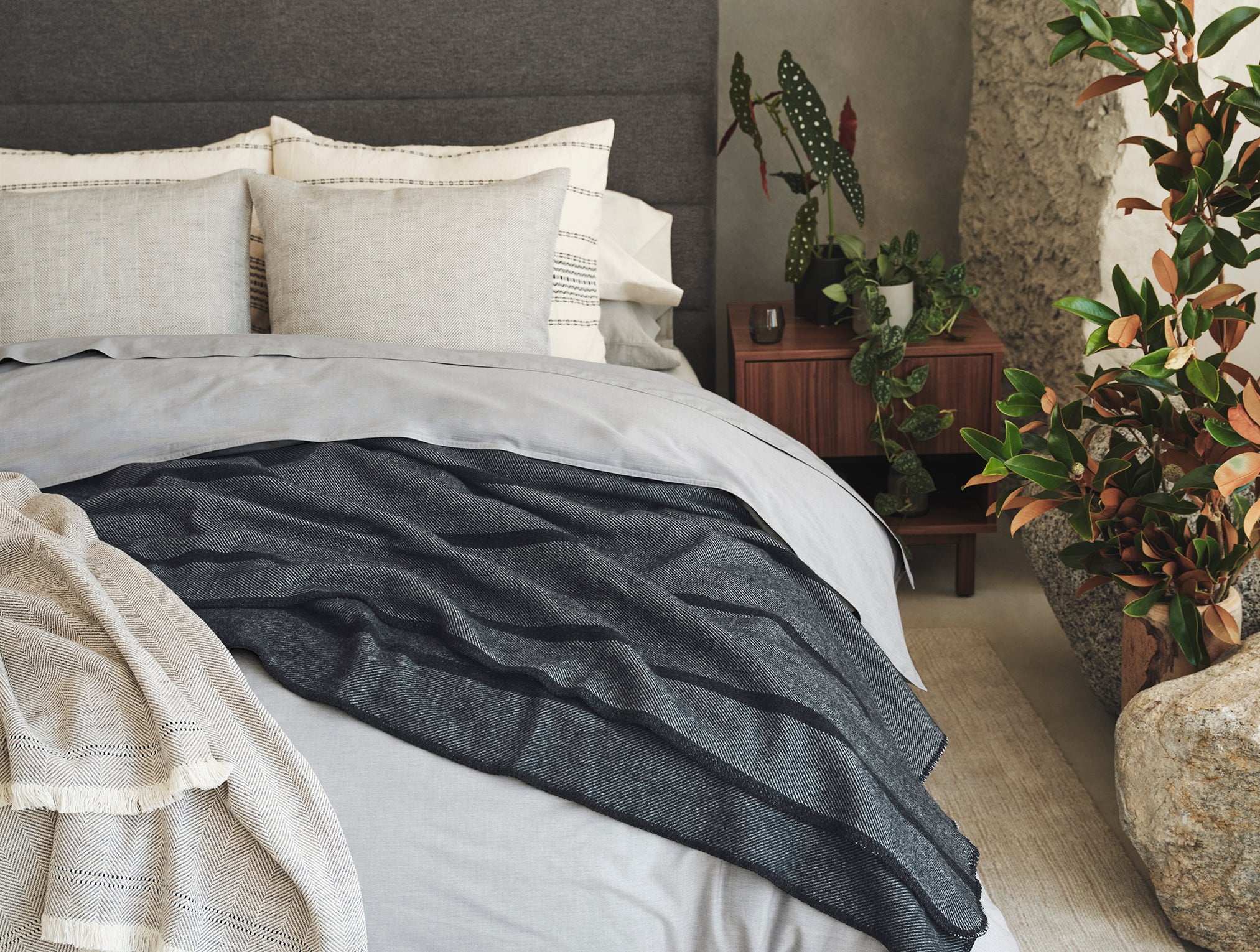
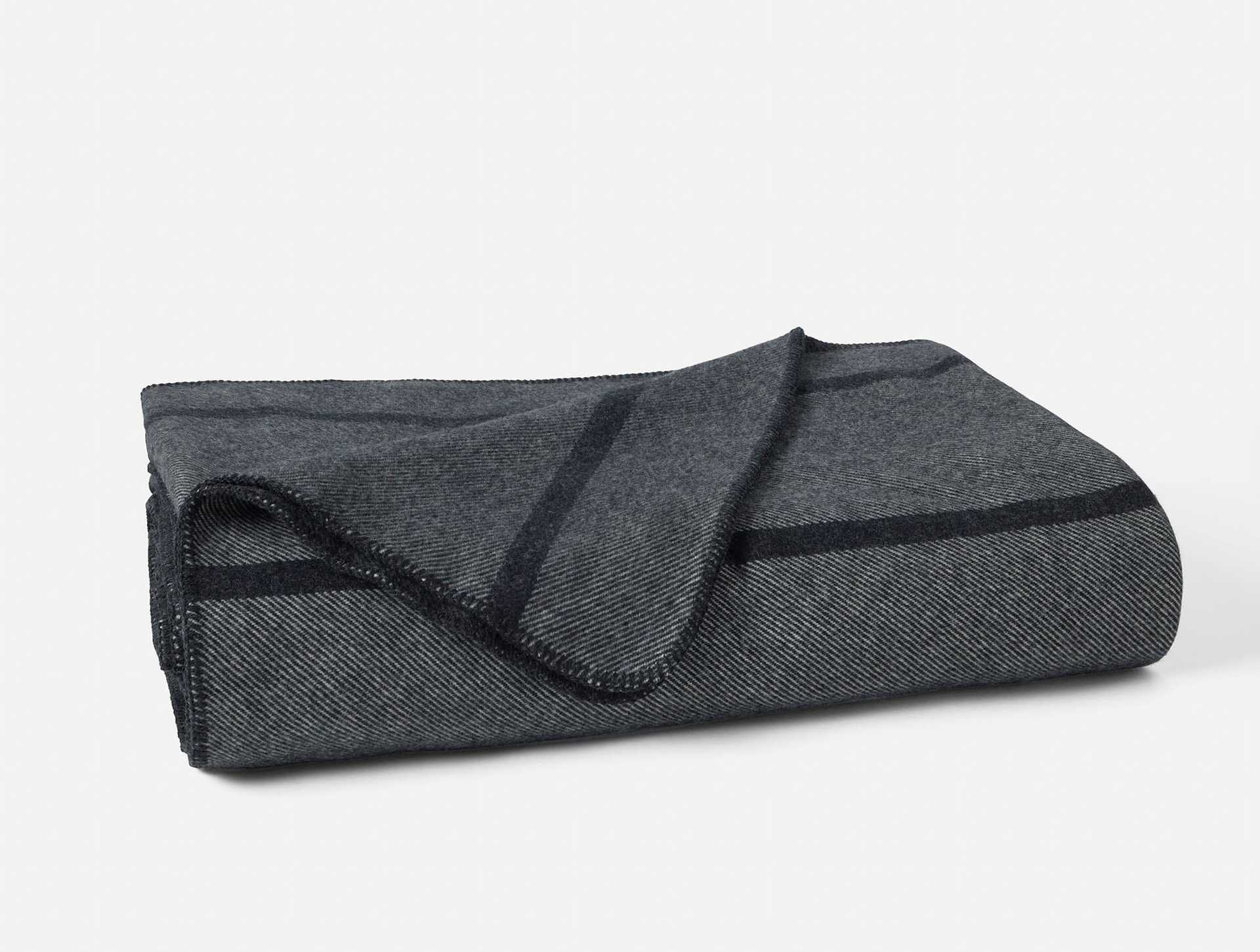
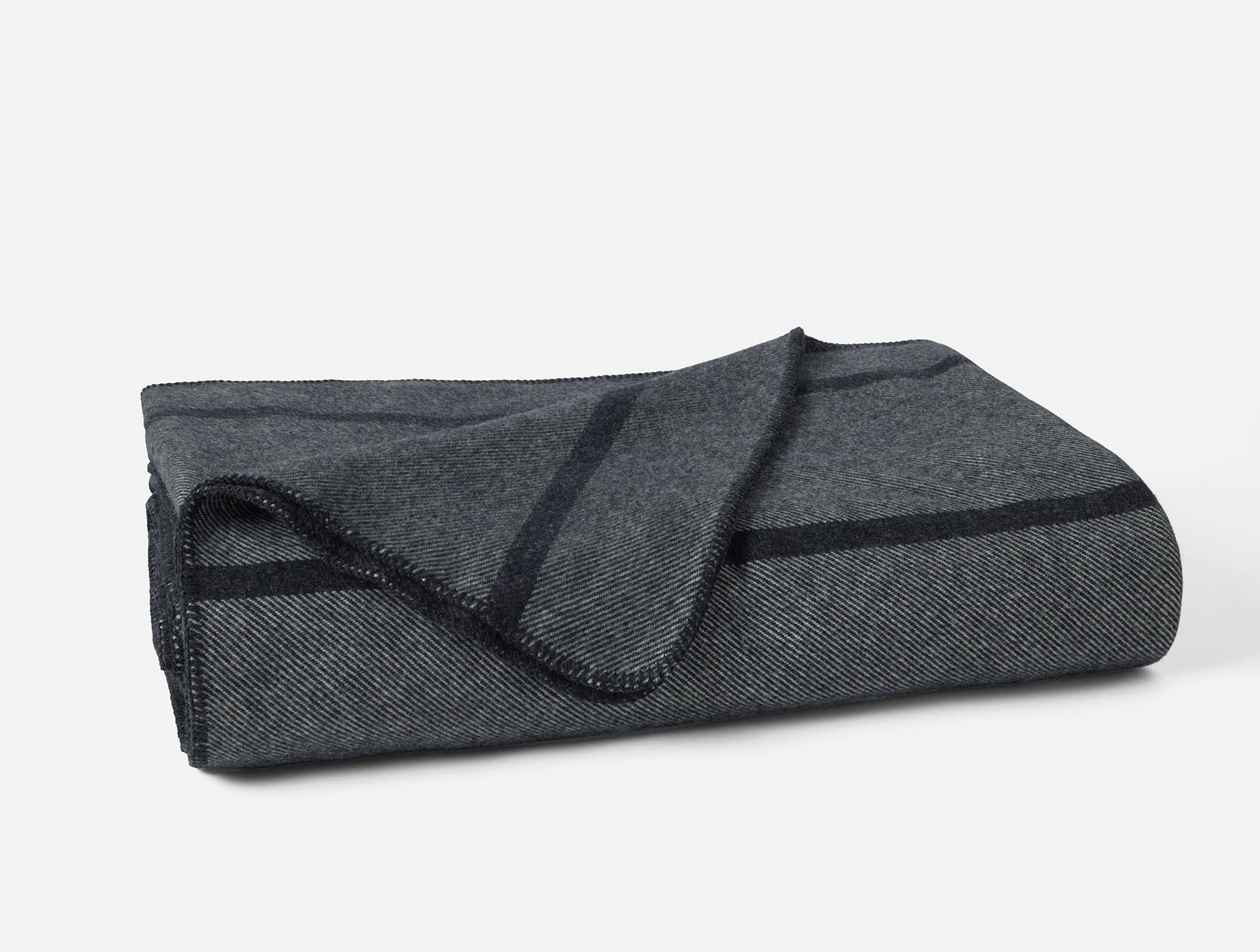
In recent decades, textile science has introduced blends and synthetics that combine the best attributes of natural fibers with the convenience of machine washing and faster drying. Modern military-inspired blankets now often incorporate wool blends with cotton or synthetic fibers to optimize warmth-to-weight ratios, while maintaining resilience under repeated laundering. The Tahoe Wool Blanket, seen in civilian markets, embodies this continuum: a 100% NATIVA Regen-Shaniko wool that honors traditional American weaving with modern regenerative-fiber storytelling. Its brushed charcoal stripes and American mill heritage connect the wartime past to a contemporary luxury-casual sensibility.
Material science also informs safety and care. Blends that resist pilling, detangle moisture, and maintain softness after repeated cleans endure in both field use and family homes. The modern consumer seeks not only performance but also ethical sourcing and transparent labor practices, a demand reflected in GOTS and Fair Trade certifications that pervade many contemporary blankets.
Today’s bedding brands—Naturepedic, Coyuchi, and regional textile makers in the United States and Europe—draw a direct line from the battlefield to the bedroom. The lineage is not merely aesthetic. It is practical and ethical. A blanket that once rolling through supply dumps now graces a modern bedroom with a focus on breathable textures, chemical-free construction, and easy-care routines.
Consider the Tahoe Wool Blanket as a case study in this continuum. Its origin story—a blanket woven in a mill with roots tracing back to 1865—speaks to enduring industrial prowess and the idea that warmth can be both traditional and forward-looking. The blanket’s fully traceable wool and post-industrial lifecycle align with a growing consumer expectation: to understand where a product comes from, how it was made, and how it performs in daily life. This is the heart of how military textile heritage informs contemporary bedding design.
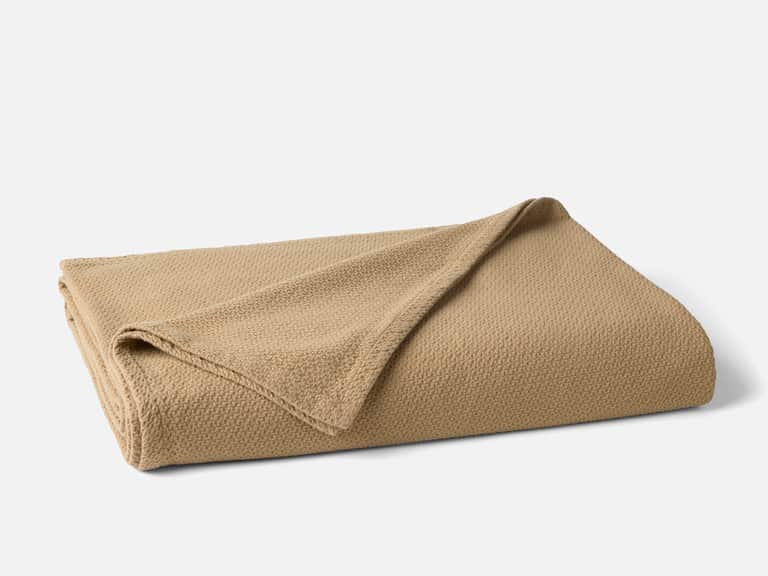
In the same spirit, organic and recycled cotton blankets, seperti those from Coyuchi and related brands, embody the same ethos of robust performance and environmental stewardship. They translate camp-life sensibilities—durability, practicality, and comfort—into everyday resilience for homes that prize conscious consumption. The result is a civilian language of warmth that remains mindful of its military provenance, a testament to how the past remains relevant when reinterpreted through design, safety, and sustainability lenses.
Three figures, spanning distinct moments in time, illuminate the blanket’s evolving role in military life and fabric science. Their voices, though separated by decades, converge on a shared insight: warmth is a multifunctional resource that sustains morale, health, and endurance.
As a signals officer stationed in a European theater, Hartwell’s diary records the daily rituals of warmth and comfort that kept morale steady amid relentless cold and rain. He describes field blankets as more than insulation; they are portable shelters and informal meeting spaces where soldiers knit resilience in long nights around the radio net. Hartwell’s notes on blanket care—air-drying, avoiding excessive heat, and mending frayed edges—reveal a practical ethic: care in the smallest details preserves the larger mission.
A materials scientist who consulted on military textile programs, Nayar bridged fiber science and battlefield realities. Her work on wool and cotton blends explored how weaved structures influence heat retention and moisture transport. She argued that the right weave and fiber blend could reduce thermal burden on soldiers without compromising military laundry cycles. Her research laid groundwork for later civilian applications, where comfort and performance blend with sustainability and safety standards.
A textile designer and advocate for ethical production, López has worked with mills that produce blankets rooted in regional weaving traditions. Her projects emphasize traceability, GOTS/Fair Trade certifications, and the fusion of performance with aesthetic restraint. López’s collaborations underscore a broader industry shift: the civilian blanket should honor its military lineage while meeting modern demands for transparency, sustainability, and comfort.
The Tahoe Wool Blanket stands as a touchstone in the narrative of military textile heritage transitioning into civilian luxury. Its 100% NATIVA Regen-Shaniko wool, woven in a mill with historical significance, embodies a lineage of quality and steadiness. The blanket’s brushed charcoal stripes and durable construction evoke the discipline of a field kit while remaining at home on a living room sofa or a plush bed. It is not merely a product; it is a cultural artifact that invites wearers to imagine the long history of warmth, protection, and human endurance.
Beyond this single piece, a broader ecosystem of blankets—whether you encounter a Classic Organic Blanket or a Des blanket—demonstrates the spectrum from field-tested resilience to refined domestic elegance. Each piece is rooted in a specific textile tradition, yet all share a common aspiration: to offer warmth with integrity, to endure, and to tell a story about the people who rely on them in moments of rest and challenge.
100% NATIVA Regen-Shaniko Wool, fully traceable and U.S.-raised, woven in a historic American mill. Charcoal heather stripes brushed for a soft handfeel. Dry cleaning recommended to preserve texture and color.
100% organic cotton; honeycomb weave; GOTS Certified; Fair Trade Certified; machine washable. A lightweight, breathable layer ideal for year-round use.
The proposed site would be organized as a non-commercial, educational platform that honors the military blanket’s heritage while offering rich context for readers. Core sections would include History, Veterans Voices, Gear & Textiles (Educational), Resources & References, and About/Contact. Each long-form feature would be supplemented by annotated timelines, primary-source excerpts, and educator-ready materials. This approach aligns with the recommended direction: a Military history and veteran storytelling hub with integrated textile and gear angles to deepen the conversation.
Editorial guidelines would emphasize rigorous sourcing, transparent citations, and sensitivity when handling veterans’ stories. Authors would maintain a strong, accessible voice—academic enough to satisfy enthusiasts, clear enough for students and general readers. The tone would be respectful, factual, and evocative, capturing the emotional resonance of veteran experiences while grounding assertions in verifiable history and material science.
From the campfire nights of distant campaigns to the quiet, climate-controlled rooms of contemporary homes, blankets bind human beings to warmth, shelter, and memory. The blanket’s evolution—from woolen wraps to regenerative, organically produced textiles—offers a compelling narrative about how military needs shape civilian design, how industry evolves with ethics, and how personal stories of soldiers and designers alike continue to inform our sense of security and comfort.
In this sense, armyblanket.com has a meaningful opportunity: to present a curated, thoughtful history that is both informative and inspirational. The site can become a destination for history buffs, educators, veterans and their families, and design enthusiasts who value textiles as cultural artifacts. It can tell the story of warmth not as a mere commodity, but as a shared human endeavor—the ongoing practice of keeping people safe, comfortable, and connected to a larger historical arc.
Note: Images of products featured in this article are provided for illustrative context. Tahoe Wool Blanket image appears below as a sample reference from the product line.