Nursery textiles · A practical guide
Muslin or Waffle? Understanding Naturepedic’s Cotton Weaves for the Nursery
A fabric’s weave changes how it feels, drapes and lets air move through it. Naturepedic’s organic cotton muslin and waffle textiles illustrate two distinct approaches: one open and light, the other textured and gently dimensional. Knowing the difference can help caregivers choose a blanket for supervised, awake-time routines—while keeping a clear boundary between comfort accessories and a baby’s safe sleep space.
When a nursery blanket is described as soft, breathable or suitable for year-round use, the words can seem to promise a simple answer to a complicated question: which one should a caregiver choose? But fabric performance depends on more than a label. Fiber, yarn, weave, layers, size and laundering all influence the feel of a textile. And no matter how airy a blanket seems, its construction does not make it appropriate to leave loose in an infant’s sleep area.
Muslin and waffle weave are useful examples because they create noticeably different surfaces from cotton. Muslin is known for its relatively open, plain-weave structure and light drape. Waffle fabric has a raised, grid-like texture that gives the surface more dimension. These differences are relevant when selecting a textile for cuddling while an adult is present, carrying in a stroller, or using during other supervised moments. They are not substitutes for safe-sleep guidance.
For families considering Naturepedic’s organic cotton nursery textiles, a comparison begins with an uncomplicated principle: choose according to the intended awake-time use, the product’s actual specifications and the care instructions—not the assumption that one weave is universally better.
What the weave tells you—and what it doesn’t
A weave is the way yarns cross and connect to form fabric. It helps shape texture, flexibility and the spaces between yarns. That is why two textiles made from the same fiber can feel quite different. Cotton describes the fiber; muslin and waffle describe, in broad terms, the fabric construction or surface. Neither word alone tells a caregiver everything about thickness, warmth, durability or performance.
The details matter. A single-layer cotton fabric and a multi-layer version can behave differently, even when both are called muslin. A waffle textile’s raised cells may create a tactile, softly structured surface, but the finished fabric’s weight and density still depend on how it is made. Product dimensions and finishing also affect how a blanket drapes and how convenient it is to carry or fold.
“Breathable” is often used to describe air movement through fabric, but it is not a complete safety claim. A textile can feel light and allow air to circulate while still posing a hazard if loose in an infant’s sleep space. The safest way to interpret such language is narrowly: it describes a material characteristic, not permission to use a blanket in a crib or bassinet while a baby sleeps.
Muslin: open, light and adaptable
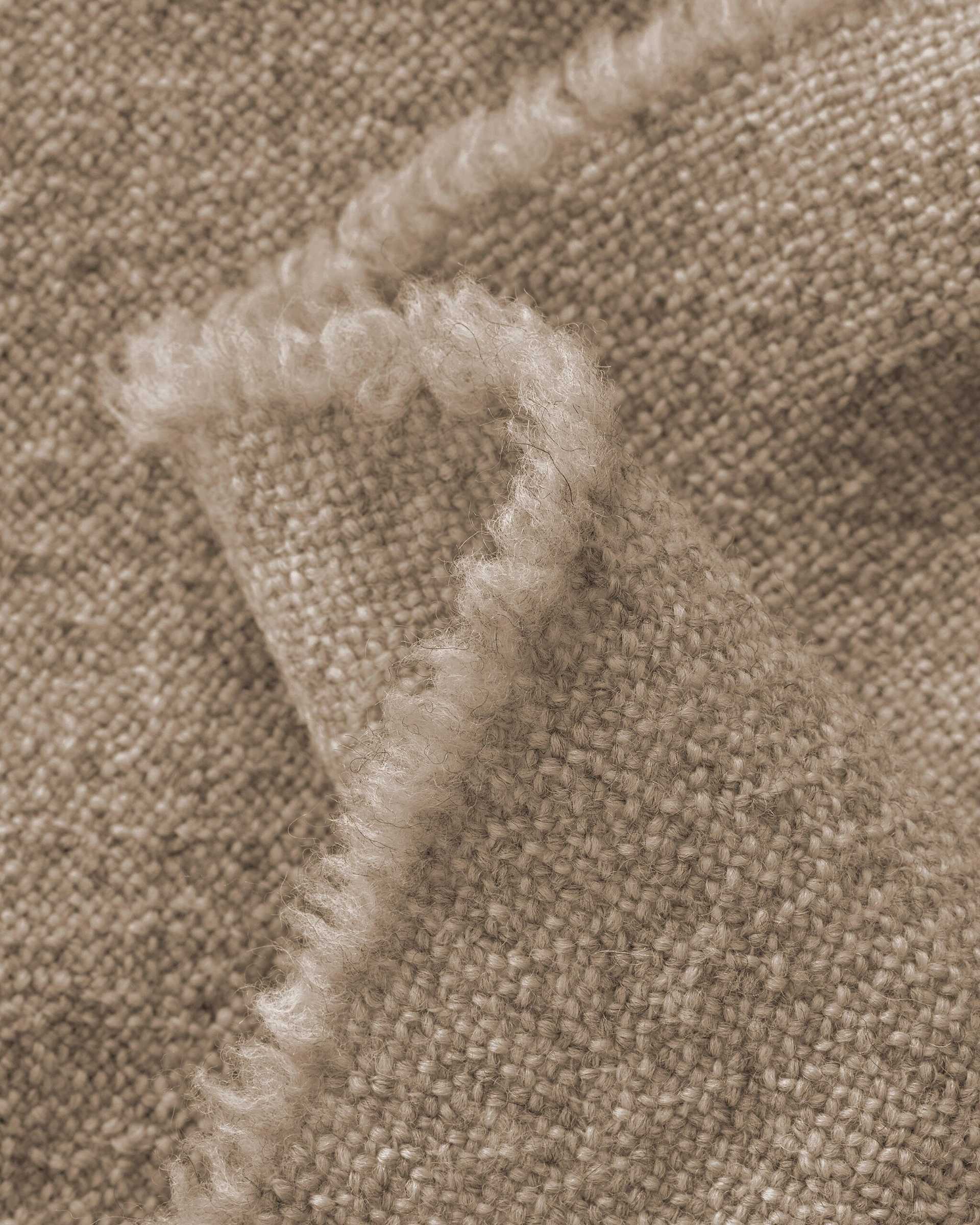
Muslin’s familiar character comes from its light, often visibly open weave. Its surface tends to feel airy rather than padded, and it can fold into a compact bundle. Cotton muslin may become softer with use and laundering, depending on its construction and care. Those qualities make it a familiar choice for a range of supervised routines, from a cuddle in a caregiver’s arms to a layer kept ready in a diaper bag.
Naturepedic’s organic cotton muslin swaddle blankets are described as two layers of cotton, pre-washed and approximately 47 inches square. The generous dimensions can be useful for caregivers who are using a swaddle product according to appropriate guidance, but a product’s size or fabric does not establish whether swaddling is right for a particular infant. Caregivers should follow current pediatric safe-sleep recommendations and consult a health professional when they have questions about their child’s needs.
Muslin’s lightness can also make it convenient when packing for an outing. A blanket may be useful for supervised cuddling or as a cover during a caregiver’s awake-time routine, provided it is used safely and does not obstruct an infant’s face or airflow. If used over a stroller, follow the stroller manufacturer’s instructions and take care not to cover the baby in a way that traps heat or limits visibility. Shade and ventilation should never be assumed from the fabric name alone.
There is a practical trade-off to the open, soft character: a light textile may not feel as substantial as a heavier blanket. In a cool room, caregivers may be tempted to add layers. For infant sleep, however, loose blankets are not the answer. Use sleep clothing and a wearable blanket or sleep sack, if appropriate, according to safe-sleep guidance and the product’s directions. The sleep surface should remain clear of loose bedding.
Waffle weave: raised texture and a little more structure
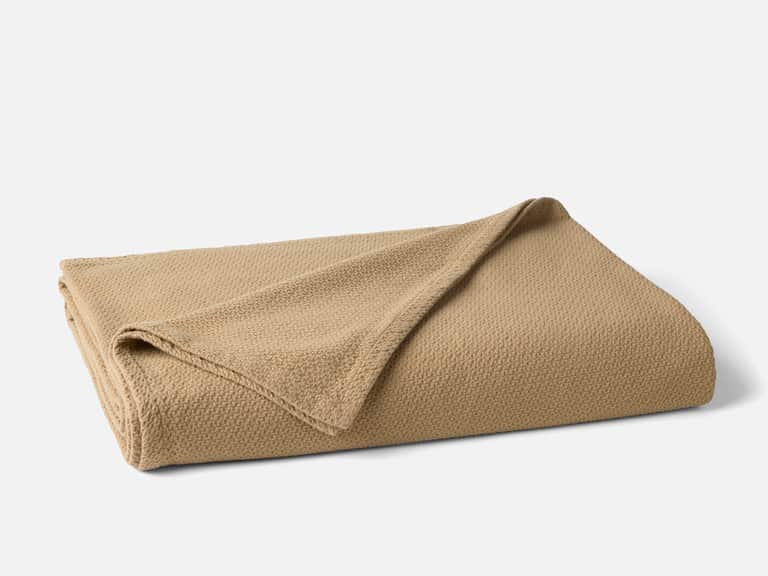
Waffle cotton is defined by its raised, recessed pattern, which resembles a small grid. The textured surface gives the fabric a more dimensional hand than a flatter plain weave. On a blanket, those ridges and pockets can create a tactile quality that feels cozy without necessarily indicating that the textile is thick or heavy. The actual warmth depends on the finished fabric, its weight and how it is used.
Naturepedic’s organic cotton waffle baby blanket is described as a lightweight blanket with a textured weave, measuring approximately 30 by 40 inches. That compact size can make it easy to fold or bring along for supervised use. The brand describes the cotton as GOTS-certified organic and notes that the blanket is pre-washed. Certifications and product claims should always be checked on the current item information and label, since specifications can change.
Texture can make a difference in everyday handling. A waffle blanket may feel more substantial under the hand than a very light, open muslin, while still being designed as a breathable layer. Its surface may also lend visual interest to a nursery. Yet raised texture should not be confused with padding, protective support or a sleep-safety feature. The blanket remains a loose textile, and loose textiles should be kept out of an infant’s sleep environment.
Waffle construction is not automatically warmer or cooler than muslin in every circumstance. Fiber content, yarn, density, layers and room conditions all matter. A caregiver comparing two products should look for the complete description and consider the real task: a compact layer for awake-time cuddling may call for different qualities from a larger textile used by an adult elsewhere in the home.
A side-by-side comparison
| Feature | Organic cotton muslin | Organic cotton waffle |
|---|---|---|
| Surface | Typically open and relatively smooth, with a light drape. | Raised, grid-like texture with a more dimensional feel. |
| Handling | Often folds compactly and feels airy. | Offers tactile texture and may feel more structured. |
| Example dimensions | Naturepedic swaddle blankets are described as about 47 × 47 inches. | Naturepedic’s waffle baby blanket is described as about 30 × 40 inches. |
| Potential awake-time use | Supervised cuddling or other appropriate caregiver-led routines. | Supervised cuddling or other appropriate caregiver-led routines. |
| Infant sleep space | Do not leave loose blankets in an infant’s sleep area; follow current safe-sleep guidance. | |
This comparison is a starting point, not a performance test. Exact construction varies by product, and appearance alone cannot determine airflow, warmth or suitability for a specific use. Check the current product label and manufacturer guidance before use.
Organic cotton and certification: read the details
“Organic cotton” refers to how cotton is grown under a particular set of standards; it does not describe the fabric’s weave or guarantee that every finished textile feels the same. A certification such as GOTS can offer information about standards relevant to the product and its supply chain. The precise scope of a certification matters, so caregivers should consult the certifier’s explanation and verify which product, component or facility is covered.
Certification can be one useful part of a decision, alongside fiber content, dyes or finishes where disclosed, country-of-origin information, construction and care instructions. It is not a substitute for checking the item itself, and it does not make a textile safe for unsupervised infant sleep. A certified, carefully made blanket can still be a loose blanket.
For sensitive skin, caregivers may wish to wash a new textile before first use, using the manufacturer’s care directions. Watch for signs of irritation and ask a pediatric professional about persistent or concerning skin reactions. No fabric description can guarantee that every baby will respond in the same way.
Safe sleep is the boundary that matters most
In the first year of life, a blanket’s soft texture can be appealing. But infant sleep safety is not determined by whether fabric is organic, lightweight, open-weave or marketed as breathable. Current guidance from the American Academy of Pediatrics recommends placing babies on their backs on a firm, flat, non-inclined sleep surface with a fitted sheet, and keeping soft objects and loose bedding—including blankets—out of the sleep area.
That means a loose muslin or waffle blanket should not be placed in a crib, bassinet or other infant sleep space for warmth. A swaddle is also a separate consideration: caregivers should follow current recommendations, the product’s instructions and advice from their child’s clinician. Swaddling should stop when an infant shows signs of attempting to roll. Weighted swaddles and weighted sleep products are not recommended for infants.
For warmth during sleep, caregivers can consider appropriately sized sleep clothing or a non-weighted wearable blanket, following guidance from a pediatrician and the product manufacturer. Avoid overheating and consider the room temperature and the baby’s clothing. If there is uncertainty about what a baby should wear or whether a particular product is appropriate, ask a health professional. A blanket’s weave cannot answer medical or developmental questions.
During awake-time use, remain attentive. Keep fabric away from the infant’s nose and mouth, avoid covering the face, and do not leave a baby unattended with loose fabric. In a stroller or carrier, follow the device’s instructions, maintain visibility and airflow, and take care not to create an overheated environment. Supervision does not turn every use into a safe one; it is one part of careful handling.
How to choose for everyday routines
Instead of asking which weave is best, begin by naming the task. Is the textile intended for a supervised cuddle at home, a compact item in a diaper bag, or a nursery layer for adult use? A lightweight, foldable muslin may suit someone who values an airy feel and generous coverage for caregiver-led routines. A waffle blanket may appeal to someone who prefers a raised texture and a more tactile surface. Neither choice should be treated as bedding for an infant’s sleep space.
- Check the dimensions. A roughly 47-inch square swaddle and a 30-by-40-inch baby blanket serve different handling needs. Make sure the size fits the intended supervised use.
- Read the fiber and construction information. Confirm the fiber content, number of layers where stated, weave description and any relevant finish.
- Verify certification claims. Look for the certification name and determine what the claim covers rather than relying on a general “natural” or “eco-friendly” description.
- Consider care in real life. Frequent washing is part of nursery routines. Choose a textile whose care instructions are manageable and follow them to help preserve the fabric.
- Keep use and sleep separate. Use blankets only in appropriate awake-time situations and clear them from the infant sleep area before sleep.
These questions turn a marketing comparison into a practical one. They also help prevent an appealing fabric term—“breathable,” “organic” or “soft”—from carrying more meaning than it can safely support.
Care can change the feel over time
Repeated washing is inevitable for many nursery textiles. Naturepedic’s product descriptions list machine-wash and low-temperature drying guidance for the muslin and waffle examples, with instructions that include avoiding bleach. Always follow the care label on the specific item, since recommendations can vary by style and may be updated. Using a different temperature, detergent or drying method than directed can affect shrinkage, texture and longevity.
Before laundering, check the label and separate colors as advised. Avoid assuming that all cotton blankets can be treated identically. A product’s weave, finishing and stitching can affect how it responds to washing. After laundering, inspect seams and edges for damage. Retire textiles that are badly worn, unraveling or no longer suitable for their intended use, and store clean blankets where they remain dry.
Care is also part of how a fabric feels. A pre-washed textile may arrive softer than an untreated one; some cotton fabrics soften further with use. That change is a matter of hand and comfort—not evidence that the blanket has become safer for infant sleep. Its basic use boundaries remain the same.
The useful distinction
Muslin and waffle cotton offer two different nursery experiences. Muslin is associated with an open, light construction and an easy-to-fold feel. Waffle weave brings a raised grid texture and a little more surface structure. In the Naturepedic examples, the muslin swaddles are larger, while the waffle baby blanket is more compact. Those differences may help caregivers choose a textile for supervised, awake-time routines and everyday handling.
But the central decision is not a contest between airflow and texture. It is a matter of matching material to purpose while respecting a firm safety boundary. Fabric characteristics can inform comfort and care; they cannot replace infant safe-sleep guidance. Keep loose blankets out of a baby’s sleep area, follow current recommendations and product instructions, and consult a pediatric professional when a question concerns an individual child.
In a nursery, the best-informed choice is often the one that is modest about what a textile can do: a soft cotton layer for the right supervised moment, cared for as directed, and put away before sleep.