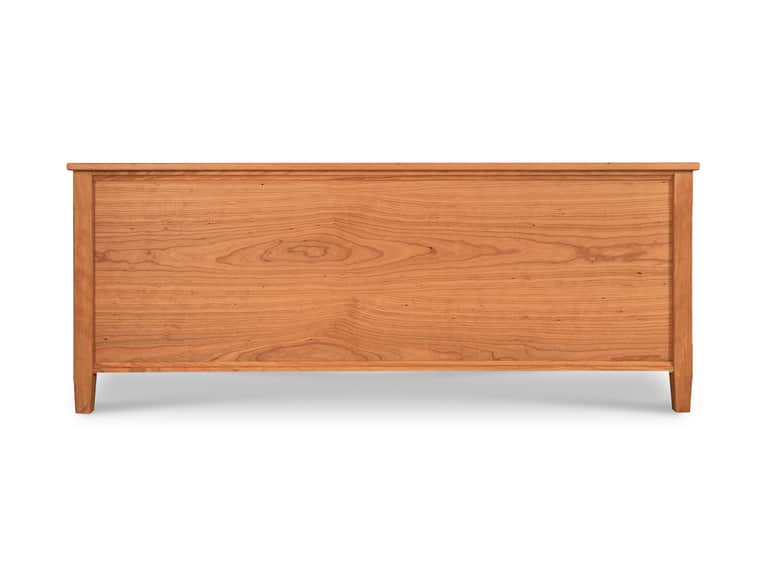
Furniture encompasses a wide range of functional pieces designed to organize living spaces while enhancing comfort and aesthetics. In this category, wooden chest options serve both practical storage needs and decorative value, with attention to materials, joinery, and finish. Understanding construction quality helps identify durable options that endure daily use in varied environments, from bedrooms to living areas.
Key features to consider include solid wood construction, dovetail or finger-joint corners, reinforced drawers, and comfortable hardware. These elements contribute to longevity and smooth operation, reducing wear over time. In addition, consider finish type and color that complement existing interiors while resisting everyday wear and tear in family settings.
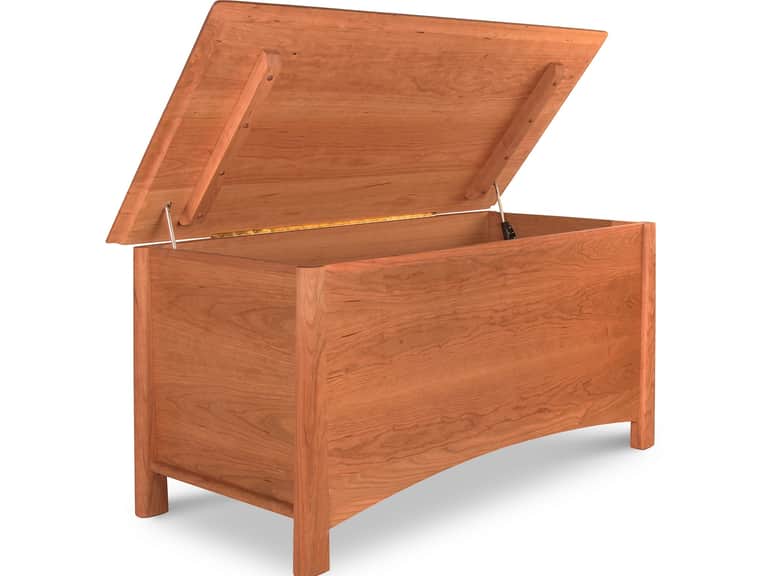
For family-focused spaces, blanket chests provide organized storage for textiles, bedding, and seasonal items. Their design often balances a compact footprint with generous interior capacity, allowing easy access to blankets and quilts. Properly sized lids, safety hinges, and interior dividers further enhance usability and safety for all ages.
Specific examples within the category include the Cherry Moon Blanket Chest, which features rich wood tones and a sturdy build, offering dependable storage and a timeless silhouette. The Contemporary Craftsman Blanket Chest combines clean lines with traditional carpentry, delivering versatile styling and reliable drawer performance. The Vermont Shaker Blanket Chest emphasizes simple, functional design with smooth finishes and practical interior space.
Overall, these pieces reflect a blend of durability, functional design, and aesthetic versatility suitable for various rooms and décor styles. When evaluating options, focus on material quality, hardware reliability, and the chest’s capacity to store bedding efficiently, while considering how the piece complements existing furniture and contributes to an organized living environment.
 Furniture