Material Culture & Memory
Keeping Heirlooms: Textile Chests and Military Family History
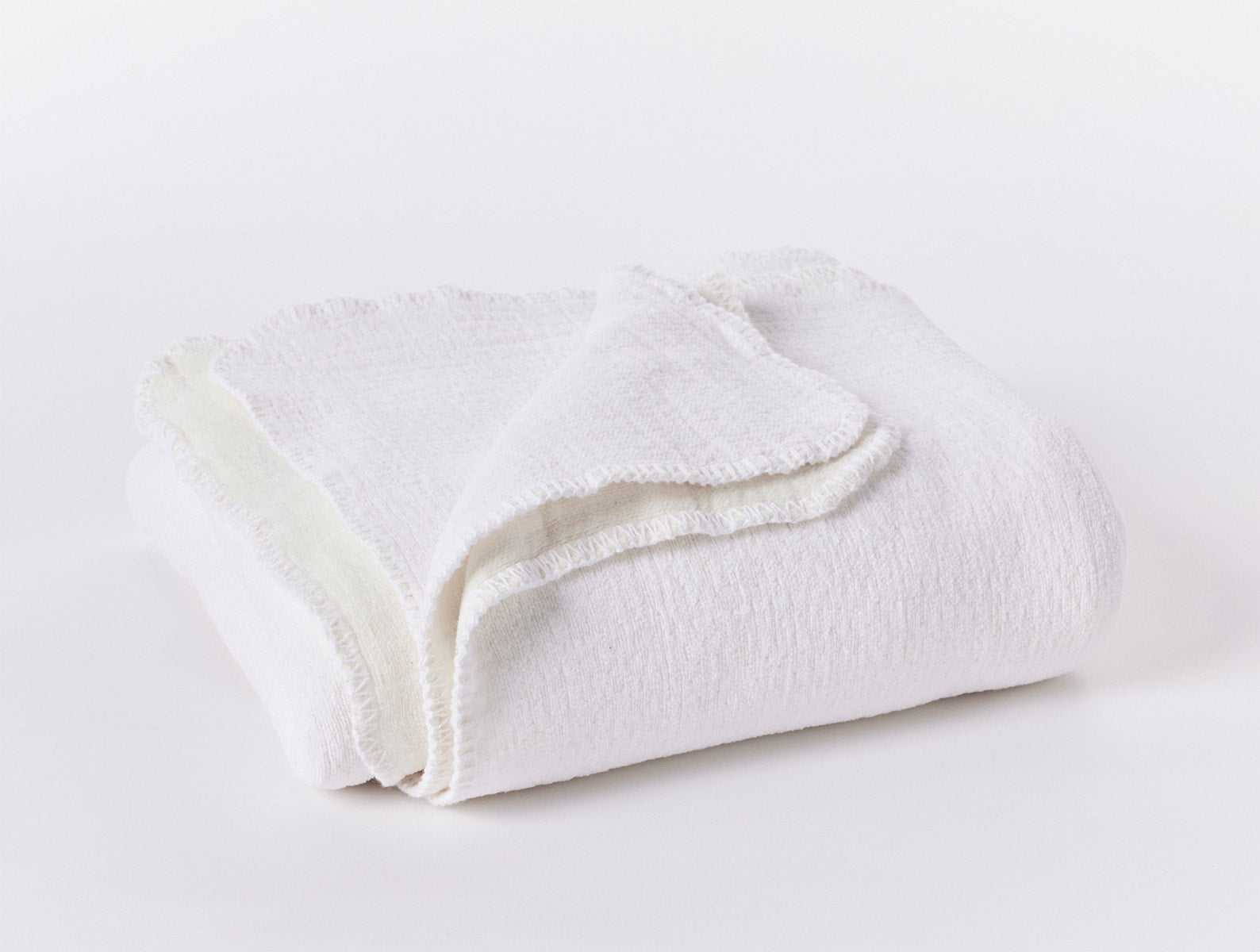
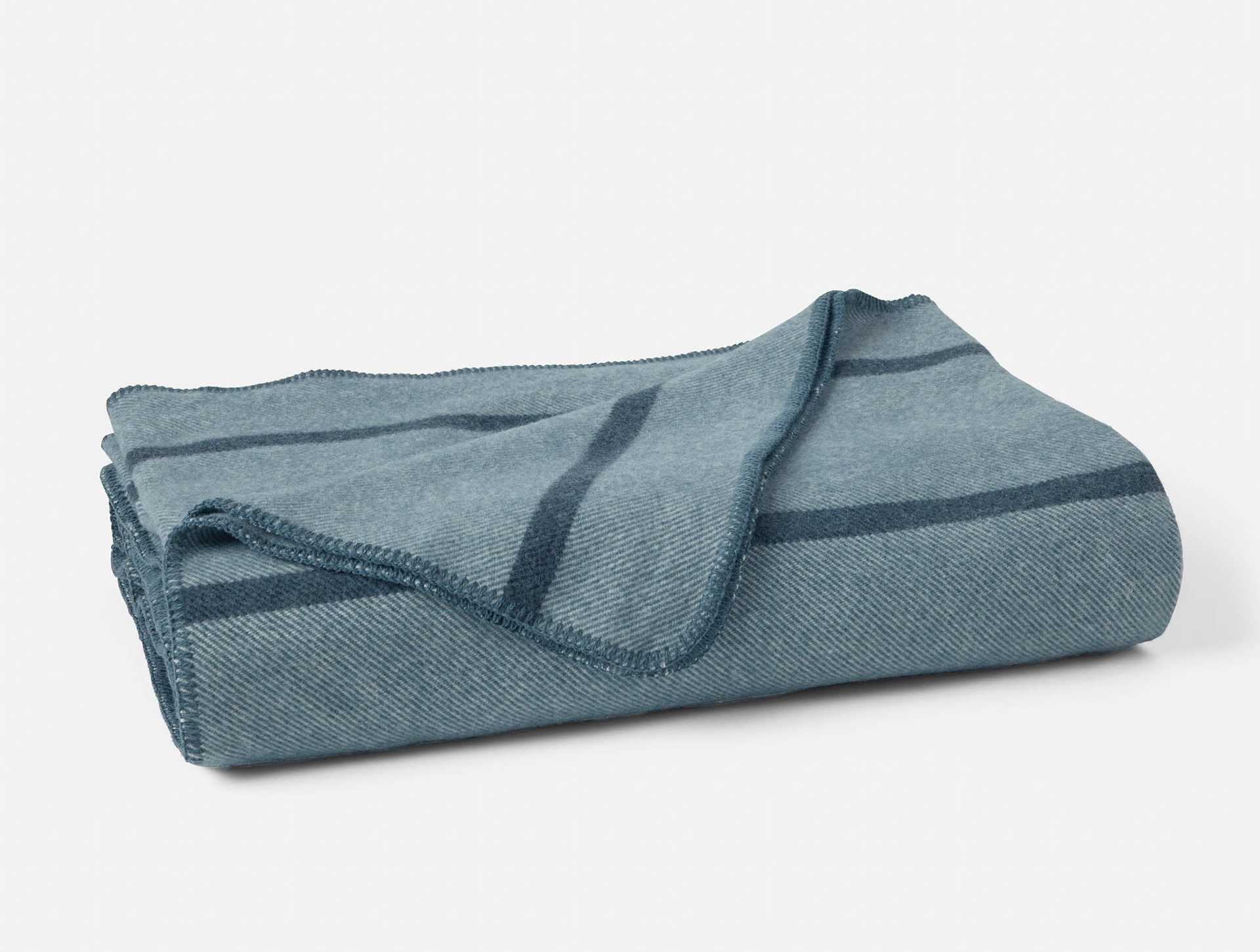
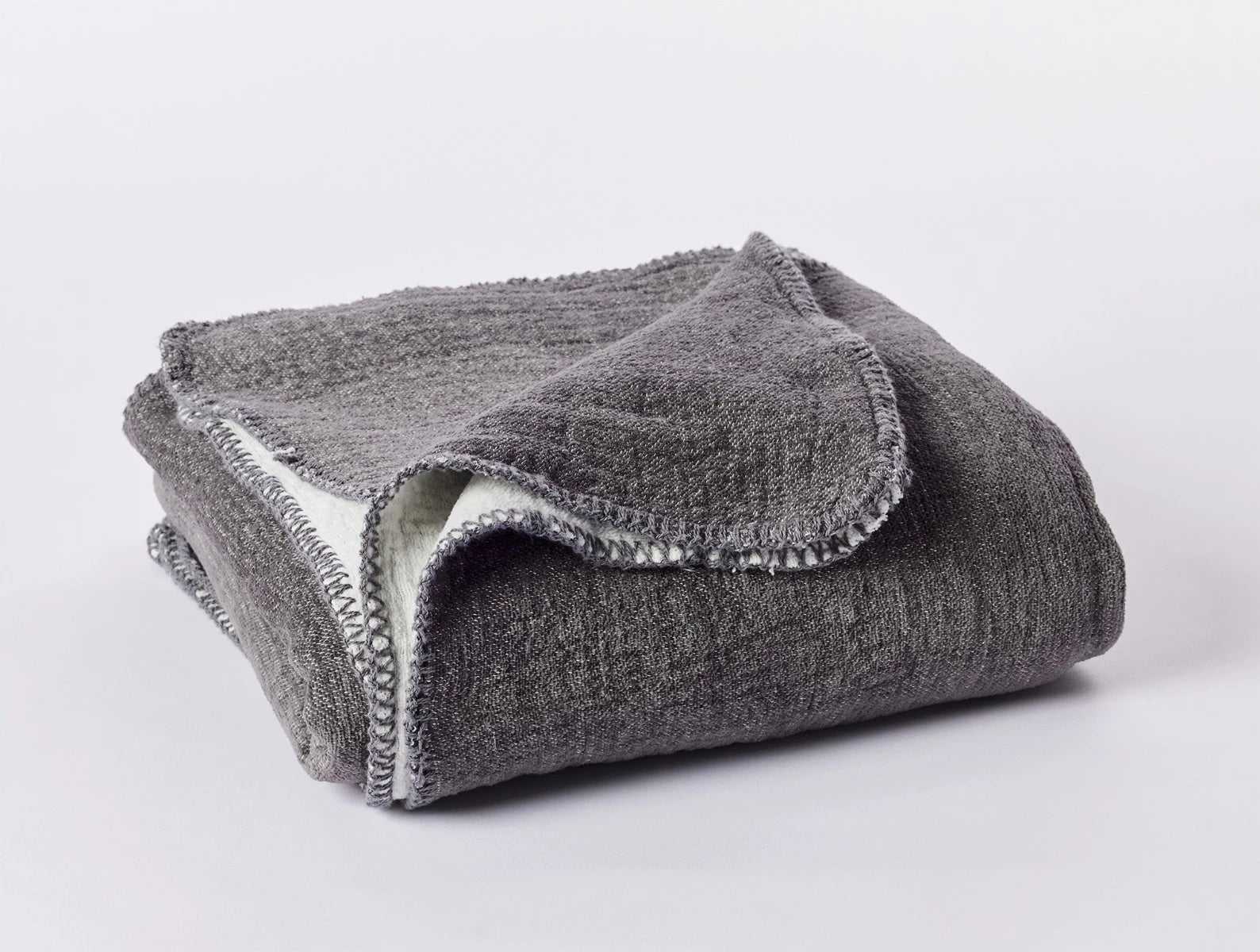
A folded blanket, a worn uniform, a small square of cloth: in family hands, textiles can outlast the moments that gave them meaning. Stored with care, they become more than fabric. They become evidence of service, movement, separation and homecoming—and a way for descendants to ask what came before them.
Published October 26, 2026
In many families, history is not first encountered in an archive. It is found at home: in a document tucked into a drawer, a photograph with names written on the back, a uniform carefully folded, or a blanket whose maker and journey are no longer known. These objects do not tell their stories unaided. They need context, attention and, sometimes, a suitable place to rest.
A wooden textile chest can serve that purpose. Its work is practical—holding household fabrics out of daily circulation—but its significance may grow with time. A chest may gather linens and quilts, yet also protect the material traces of military family history: a service blanket, a garment kept after demobilization, a textile carried between postings, or an item passed down as a reminder of someone who was away. The container does not certify a story. It gives the story somewhere to begin.
That distinction matters. An heirloom’s emotional power can be immediate; its historical meaning is often less certain. Families may inherit an object along with a fragment of explanation, or with no explanation at all. A disciplined approach—preserving the textile, recording what is known and marking what remains unknown—can keep memory alive without turning family lore into unsupported fact.
A chest in the life of a household
Before closets became a familiar feature of domestic architecture, storage furniture played a central role in keeping clothing and bedding organized. Chests could hold linens, garments, blankets and other valued household goods. Their forms and uses varied across time, place and economic circumstance; no single design represents every family or period. Still, the basic idea is enduring: put useful or precious textiles away, keep them available, and protect them from unnecessary wear.
Wooden chests also occupy a particular place in the imagination because they suggest continuity. A chest can remain in a home even as rooms are repainted, households change and generations move. Its contents may shift. A family quilt might give way to wedding linens, then to a blanket associated with military service. Each change records a new chapter in the domestic life of the object and the people who kept it.
Military service can make that domestic continuity more poignant. Service often involves travel, relocation and periods of separation from home. Textiles are among the most ordinary objects in such a story, and for that reason they can be unusually revealing. They are used for warmth, comfort, dress or practical household needs. They may also become tokens of connection: something a family member used, carried, mended or left behind.
But a blanket is not automatically a military artifact because a family remembers it as one. It may be a civilian household textile, a later replacement or an object whose history has become compressed over decades. That possibility does not diminish its personal value. It simply calls for a careful distinction between what the object itself can establish and what family memory suggests.
The meaning in the material
Textiles invite close looking. Fibers, weave, seams, stitching, labels, repairs and wear can offer clues about how an object was made and used. A hand-sewn patch may show that someone repaired it rather than discarded it. A worn edge may indicate repeated handling. A label might identify a maker, organization or place of manufacture. None of these details, in isolation, necessarily proves a specific history. Together with documents, photographs and reliable family testimony, however, they can help build a more grounded account.
Careful observation begins with restraint. Before washing, repairing, pressing or displaying an old textile, note its current condition. Look for brittle areas, stains, fading, loose threads, insect damage and previous repairs. Record labels and markings in writing. If photography is useful for documentation, take pictures without stretching or placing undue pressure on fragile material. A textile that appears sturdy may have weakened fibers that are not obvious at first glance.
Older fabrics can be vulnerable to light, dust, pests, fluctuating temperatures and excess moisture. Long-term storage should aim for a stable, clean and dry environment, away from direct sunlight and places prone to leaks. Avoid sealing a fragile heirloom in materials that may trap moisture or transfer chemicals. Acid-free tissue and archival-quality enclosures are commonly used by collections professionals, but the right method depends on the object’s condition and materials. When a textile is fragile, valuable or especially important to the family, consult a textile conservator or a museum conservation department for advice before attempting treatment.
Storage is not the same as conservation. A chest can reduce handling and help organize a family collection, but it cannot reverse damage or guarantee ideal conditions. Nor should it become a place where textiles are packed tightly, forgotten and exposed to changing household conditions. Preservation is a practice: inspect periodically, keep a record of where items are stored, and make decisions with the object’s condition in mind.
What the chest can—and cannot—tell us
A piece of furniture has its own history, which may or may not overlap with the history of what it contains. A chest passed down beside a military blanket might have been purchased decades later. A family may have used one chest for generations, while its contents changed repeatedly. The chest itself can be an heirloom, but that does not make every object stored inside it part of the same chain of custody.
For that reason, provenance—the record of an object’s ownership and history—is best treated as a developing account rather than a polished legend. Begin with basic questions. Who recalls the textile? When did it enter the household? Was it associated with a particular person, unit, location or period of service? Is there a letter, photograph, discharge paper, inventory or other document that supports the account? Who supplied each piece of information, and when?
Record answers in language that preserves uncertainty. “Family members recall that this blanket belonged to a relative who served overseas” is more responsible than assigning the textile to a specific campaign without evidence. If two accounts differ, note the difference instead of forcing a resolution. Future relatives may find another document or remember a detail that changes the picture.
It is useful to keep the history alongside the object, not attached directly to a fragile textile. A separate written record can include names, dates, places, family relationships, known service details, the source of each claim and the date it was recorded. If a story comes from an oral account, note who shared it and whether they were describing something they witnessed or something they had heard from another person. That small act of attribution can prevent an uncertain memory from becoming a false certainty with each retelling.
The Vermont Shaker chest: function, not mythology
Modern storage furniture can make a useful point of comparison. The Vermont Shaker Blanket Chest, for example, is described as a handmade wooden chest with a clean Shaker-inspired silhouette and a lid that stays in the position in which it is opened. Its simple form reflects a familiar design principle: let the object do its job without making storage complicated.
That contemporary piece should not be confused with an antique or presented as a historical military object. Its relevance here is more modest. It illustrates how a well-considered chest can support the everyday keeping of blankets and other household textiles. A stable lid and accessible interior can make storage easier; a considered place for an item can also encourage a family to treat it deliberately rather than leaving it folded on a shelf or passed between boxes.
The category of furniture matters less than the conditions it provides. A chest should be clean, dry and appropriate to the textiles being stored. Its interior should not snag delicate fabric, and its location should avoid damp basements, hot attics and direct sunlight. For very fragile pieces, a chest may not be the best enclosure without protective layers or professional guidance. Good furniture can support careful practice, but it cannot substitute for it.
In this way, the chest is less a time machine than a stage. It frames an object, helps give it a place in the home and can create an occasion for conversation. Open the lid, and a family may find not only a textile but a question: Who used this? What do we know? What should we write down before the people who remember are no longer here to answer?
Military history at household scale
Military history is often told through strategy, policy, battles and institutions. Those subjects are essential, but they are not the whole story. A family’s experience of service also unfolds in letters, relocations, absences, reunions and changes to daily life. Textiles belong to that smaller scale of history. They reveal how broad events entered the ordinary spaces of a home.
A blanket can prompt questions about climate and travel, but it cannot by itself establish where someone served. A uniform may preserve a name or insignia, but its meaning depends on accurate identification and context. A mended seam can suggest continued use, though not necessarily who made the repair. The most illuminating account often combines the object with external evidence: official records, dated correspondence, photographs, newspapers, unit histories and reputable archival or museum sources.
Research should be proportionate to the claim. If a family wants to identify a service member or understand a period of service, begin with the information already documented: full name, approximate dates, branch of service and known locations. Consult established archives and official repositories where possible. Military records can be incomplete, difficult to interpret or affected by historical losses, so absence of a record is not always proof that an event did not occur. When citing a source, record enough information for another reader to find it again.
Respect matters as much as precision. Military family histories may include grief, injury, displacement, conflict or experiences that some relatives prefer not to discuss. The existence of an object does not create an obligation to publish the story behind it. Families should consider consent and privacy before sharing names, letters, personal documents or sensitive details online. A private archive may be the right choice; so may a carefully researched public account. The decision belongs to the people whose lives and memories are involved.
A practical record for an heirloom textile
Documentation need not begin as a formal archive. A short, clear record can protect valuable context from being lost. Keep a copy separate from the textile, and update it when new evidence emerges. A useful record might include:
- Object description: identify the item in plain terms, including its approximate dimensions, colors, materials if known, and visible labels or markings.
- Condition: note tears, stains, fading, repairs, loose fibers or other visible changes without attempting to diagnose the fabric.
- Ownership and custody: list known owners or households, with approximate dates and any gaps in the chain of possession.
- Associated story: distinguish firsthand memories from family accounts and later interpretations.
- Sources: record documents, photographs, interviews or public archives that support specific details.
- Care history: note previous cleaning, repairs and storage conditions when known.
These notes are valuable precisely because they are not dramatic. They create a framework for future research and help keep an object’s physical care linked to its history. If the textile is donated, loaned or shared with a museum, such documentation can help staff understand what the family knows—and what it does not claim to know.
Passing on more than the object
Every heirloom eventually reaches a moment of transfer. A family member may inherit it, a museum may accept it, or the family may decide that it is time to let it go. Those choices are easier when the object’s story has been recorded and its care needs are understood. They are also more meaningful when the next custodian receives the limits of the evidence alongside the memories.
Passing a textile to the next generation does not require turning it into a relic. It can remain part of a living household, brought out with care, discussed, researched and returned to storage. Nor does preservation mean holding on at any cost. If a textile is deteriorating, taking up space or carrying painful associations, a family can seek advice about conservation, donation or other responsible options.
The chest offers a quiet image of inheritance: a lid lifted, fabric unfolded, a story resumed. But preservation is ultimately less about the container than about attention. The most durable heirloom may be the record that tells relatives what is known, where it came from and why it mattered—without pretending that every unanswered question has been solved.
For families tracing military history, that is a worthy legacy. A blanket can connect a household to a wider past, but it needs careful interpretation. A chest can keep it close, but it cannot speak for the people who used it. The work of remembrance lies in holding both truths at once: that an object may carry deep personal meaning, and that its history deserves to be told with evidence, humility and care.